

By Charles Peirce
 Deep Metaphors are a concept from Harvard Professor, marketer, and researcher Gerald Zaltman that find their obvious use in marketing but have many possible applications for communication of all kinds. They are similar to Archetypes and Archetype Theory in that they represent a base symbolic language which communicates via the subconscious. But whereas Archetype Theory is based upon Jungian psychoanalysis, Deep Metaphors come primarily from the study of cognitive science, neuro-imaging, and linguistics. While not a substitute for Archetype Theory (nor a replacement), they are a useful tool in dealing with many issues of marketing, not least among them market segmentation and niche audiences.
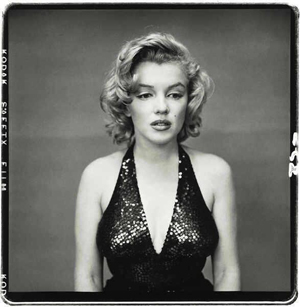 Casting is one of the obvious essentials of any film, and like all aspects of the process worth examining: the assumptions that define it and the possibilities of how it might be used to best advantage. Casting’s key place comes in financing, where attaching the right star allows raising money based on their monetary value to specific regions or demographics. Enough attached stars offer the promise of pre-sales in distribution, and enough pre-sales can then determine a base budget. This would seem to follow the simple logic of a star’s popularity guaranteeing viewers, a shortcut in the task of finding an audience.
 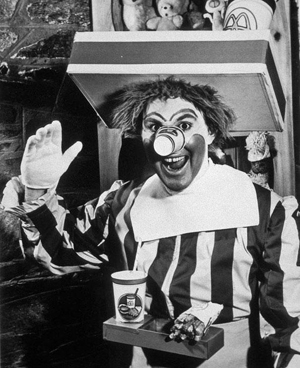 Originating in the thinking of Plato but finding its modern applications from the work of Carl Jung, Archetype Theory is a way of looking at and defining the world that has numerous uses, particularly in marketing and storytelling. At the least, Archetype Theory gives a structural thematic underpinning to organize ideas around. At the greatest, Archetype Theory might allow a primal, subconscious form of resonance and communication with audiences — speaking to them beyond the limits of language.
 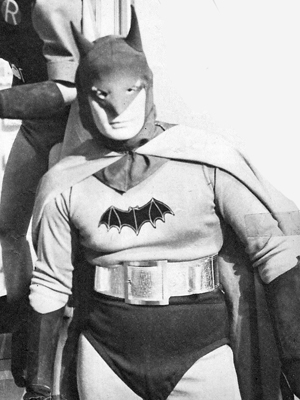 It would seem, to the eyes of Hollywood, the high form of film has become the franchise. It satisfies the two poles of conventional business wisdom: limiting risk as it promises more of the same, maximizing profit as it entices investors with that self-same prospect.[1] The Hobbit is stretched out to encompass three movies, hordes of young adult novels are on the horizon, and Bob Iger suggests Frozen