

By Jay Webb
Previously: What Are Films Without An Audience?
 A large portion of our population has thankfully grown past the phase of only wearing bracelets to feel like we are agents of change in our world or society. Today the world is small enough and access is great enough for every individual to truly make small changes that can accumulate to create huge impact on life and planet. Filmmakers are some of the most dynamic multi-taskers of our world society, and on top of that they already have a solid medium with audiences they can inspire to make important world changes.
With most all film projects, a director must envision some type of change he/she wants to inspire in the film’s eventual audience. Whether it is changing their perspective, making them laugh, or giving them insight into the world around them, your story should have a designed emotional shift for those you share it with. Having a grasp on this desired viewer transformation not only helps a filmmaker determine their core audience, but might also lead toward partners that will help to champion the film and build a larger base of fans for the future; not to mention it might do some good to your world.
 Do you want your film to change the world? Do you want to make money so you can make your next film? Do you have something to prove to yourself? An honest answer in the early stages can do wonders for a filmmaker in finding a workable distribution path, uncovering a forthright story, and figuring out an appropriate amount of money and energy to expend on the project. (Please note: An answer like “I am creative and want to express myself” misses the scope. This is a reflective question for professionals or budding professionals who live in the reality of scarce resources and time who will express themselves creatively regardless of their path).
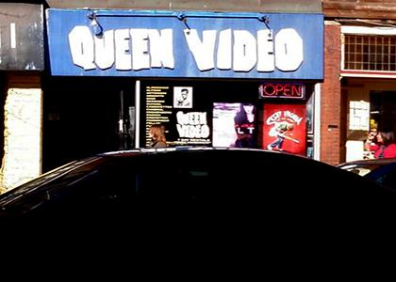 The death of the indie video store is imminent. At least that’s what everyone tells me. Working as a video store clerk in one of a handful of stores (Queen Video) in Toronto is both a blessing and a burden. While the job remains interesting, I’m continually receiving remarks about how great it is that we’re still open. In the wake of the Blockbuster collapse, the independent video store flourished. Business seemed better than usual around late 2011 when the last Blockbusters were closing down in Canada. At that point in time, Netflix had already arrived, and streaming was still popular, but for some reason many people did not want to let go of the video store experience.
  Walking down Main Street of the Sundance film festival this year, it felt like there was an ever-growing gap between the east and the west side of the street. Hollywood and Independent seem to be growing further and further apart, making the Sundance film festival, and other L.A. hyped festivals like it, such an increasingly awkward phenomena. You have a festival director who wants to keep the slate as Independent, fresh, and intriguing as possible, an audience that attends who has come to expect way more “accessible” stories, and big biz owned media companies like Variety claiming the festival “suffered from too much Brooklyn” and squawking at 2 million dollar advance tags for indie films in today’s market. We feel for you Mr. Redford, we do…but you created this monster, and now it ‘s become a near perfect representation of the dichotomy within the film Industry.
  By nature, an artist who looks to distribute their work is an