

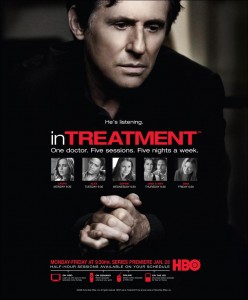
 So how can you stay true to yourself as a writer, especially when one is supposed to be imitating another writer’s voice? For one thing, one can stop chasing fads or writing what one think the showrunner might want to see. Jane Espenson, who has written for Buffy the Vampire Slayer, Battlestar Galactica and Game of Thrones and has also created her own Web TV show, Husbands, talks to me about how important it is to trust your own instincts and your own good taste. She is not the only one: Jenny Bicks encourages “writing what you want to write, going towards the love” and Tom Fontana goes as far as to very simply state that “being successful is being faithful to oneself.”

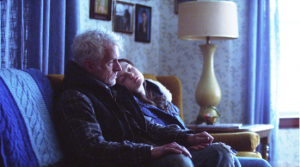 About 3 months ago we made the decision to self-distribute BLUEBIRD in North America. From the beginning, our goal was to make an intimate, quietly affecting ensemble drama. For writer/director Lance Edmands, there was a specific kind of feeling he was trying to express with the film. There was a unique sense of loneliness, solitude, and isolation that was linked directly to a region of Northern Maine and the culture that permeates the area. Lance grew up in Maine, and he felt that these melancholy emotions stood in stark contrast with the great rugged beauty of the state. We wanted to explore that conflicted feeling in way that would resonate personally with a viewer. It was important to us to maintain the subtle, quiet tone of the film both in the way we made it and the way we brought the film to an audience. With that in mind, we spent the last year considering various distribution offers and scenarios as we traveled with the film to festivals.
 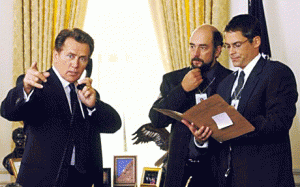 One thing’s for sure: people don’t go to writing to be rewritten. But they still are, first and foremost by the showrunner. The showrunner is the writer who tells the writers what to do, and who will eventually do it herself.